Adventures & Sports
Adventure and sports tourism has evolved from niche expeditions into a sophisticated travel category where thrill-seeking meets meticulous planning. Whether you’re drawn to the vast silence of desert dunes, the rush of free-falling through open skies, or the challenge of harnessing wind and waves, understanding what separates authentic experiences from tourist traps becomes essential. The modern adventure traveler faces a complex landscape of providers, safety standards, and physical demands that require informed decision-making.
This comprehensive resource examines the core categories of adventure sports tourism, from terrain-based desert activities to aerial pursuits and water sports. You’ll discover the practical considerations that experienced adventurers prioritize: how vehicle specifications impact desert comfort, why weight restrictions exist across multiple activities, what maritime regulations mean for your water sports plans, and how to evaluate provider quality beyond marketing promises. The goal is to equip you with the foundational knowledge needed to approach adventure travel with confidence and realistic expectations.
Desert Adventures: Safaris, Dunes, and Off-Road Experiences
Desert environments offer a unique playground for adventure sports, combining vast landscapes with specialized activities that range from contemplative wildlife observation to high-octane dune bashing. Understanding the fundamental differences between experience types helps you align your expectations with reality.
Private Safaris vs. Group Tours
The distinction between private safari experiences and mass tourism offerings extends far beyond simple group size. Authentic private safaris typically feature dedicated vehicles, customizable itineraries, and access to restricted areas or timing windows that avoid crowded periods. However, the cost structure reflects this exclusivity—private arrangements often cost three to five times more than group alternatives.
When vetting providers, examine their vehicle fleet specifications rather than promotional photos. Questions about suspension systems, air conditioning capacity, and seat configurations reveal more about actual comfort than marketing descriptions. Photography enthusiasts should specifically inquire about itinerary flexibility, as the best light conditions often occur during transition hours that conflict with standard tour schedules.
Off-Road Driving and Safety Considerations
Off-road desert driving demands technical expertise that most recreational drivers don’t possess. Modern safari vehicles incorporate specific safety features—roll cages, racing harnesses, and communication systems—but these only function effectively when paired with skilled operators. The driver’s ability to read terrain, anticipate vehicle behavior on shifting sand, and manage speed through dune crests directly impacts your safety and comfort.
Self-drive options exist but require honest assessment of your capabilities. Sand driving techniques differ fundamentally from paved road experience, involving tire pressure adjustments, momentum management, and recovery procedures that aren’t intuitive. Accident protocols in remote desert areas also follow different procedures than urban incidents, often involving satellite communication and specialized extraction equipment.
Desert Sports and Activities
Activities like sandboarding and dune skiing present their own technical demands. The physical requirements differ from their snow-based counterparts—sand provides different resistance, impacts joint stress differently, and creates unique balance challenges. Equipment quality matters significantly here; budget rental boards often lack the edge design and base material needed for proper sand performance.
Footwear strategy becomes critical. While it might seem logical to go barefoot, sand temperature extremes and hidden debris make proper footwear essential. Timing activities for early morning or late afternoon addresses both temperature concerns and optimal sand conditions. Beginners should prioritize locations with gradual dune slopes and proximity to support facilities rather than chasing dramatic Instagram backdrops.
Sky-High Adventures: Jumping Into the Adrenaline Zone
Aerial adventure sports, particularly skydiving and similar activities, operate within strict regulatory frameworks designed around physics and human physiology. Understanding these parameters helps demystify what can seem like arbitrary restrictions.
Understanding Weight and Physical Restrictions
Weight limits for activities like skydiving aren’t arbitrary bureaucracy—they’re rooted in parachute engineering and terminal velocity calculations. Most operations set maximums between 220-240 pounds, though some accommodate higher weights with specialized equipment. BMI considerations factor in body composition because weight distribution affects freefall stability and harness fit.
These restrictions exist to protect both participants and instructors. In tandem jumps, the combined weight of instructor and student must stay within parachute system specifications. Think of it like an elevator capacity—the number represents actual mechanical limits, not cautious suggestions. Medical pre-checks serve a similar purpose, screening for conditions that altitude changes or adrenaline surges might aggravate.
Weather, Cancellations, and Timing
Weather cancellation policies reflect the reality that wind speed, cloud cover, and visibility aren’t negotiable in aviation. Reputable providers won’t compromise on weather minimums regardless of customer disappointment. Understanding this helps you plan buffer days into your itinerary rather than scheduling a jump on your only available afternoon.
Cancellation terms vary significantly between operators. Some offer full rescheduling flexibility, others apply partial penalties, and budget operators may enforce strict no-refund policies. Reading the fine print before booking prevents frustration when weather doesn’t cooperate. The best providers demonstrate their commitment to safety through conservative weather policies rather than financial pressure to fly in marginal conditions.
Capturing the Experience
Video package value depends on your priorities and budget. Third-party videographers add significant cost but deliver professional footage with multiple angles and editing. Action camera alternatives (wrist-mounted or instructor-operated) provide raw documentation at lower prices. However, regulations often restrict personal camera use during first jumps because equipment management creates distraction risks during critical phases.
GoPro and similar devices must follow specific mounting rules. Handheld operation during freefall isn’t permitted due to aerodynamic disruption and loss risks. Understanding these equipment regulations before purchasing add-ons prevents disappointment and helps you select appropriate documentation options.
Water-Based Adventures: Maritime and Wind Sports
Coastal adventure sports operate at the intersection of natural forces and human regulation, creating a complex environment that demands both skill and legal awareness.
Maritime Regulations and Safety Zones
Water sports in developed coastal areas function within strictly defined safety zones and maritime traffic patterns. These aren’t suggestions—they’re enforced regulations with legal consequences. Jet ski operations, parasailing, and similar activities must respect designated areas that separate recreational users from commercial shipping lanes and swimming zones.
Engine power differences matter more than many beginners realize. A 90-horsepower jet ski behaves fundamentally differently than a 180-horsepower model, affecting handling, fuel consumption, and insurance requirements. The guided tour versus freestyle decision impacts both your freedom and your liability exposure. Guided operations typically include insurance coverage; freestyle rentals often carry significant deposit requirements against damage or regulatory violations.
Wind Sports: Conditions and Equipment
Activities like kitesurfing and windsurfing depend on precise wind condition windows that can shift dramatically within hours. Wind season timing represents the difference between consistent daily sessions and frustrating waiting periods. Coastal locations experience predictable seasonal patterns, but daily variation means flexibility remains essential.
Equipment rental scams typically involve substandard gear marketed as premium equipment. Learning to assess kite condition, board integrity, and harness safety features protects both your safety and your wallet. Community etiquette and right-of-way rules prevent collisions in crowded launch areas—downwind riders yield to upwind traffic, and launching/landing zones maintain clear protocols that newcomers must respect.
Practical Considerations for Water Activities
Water shoe necessity isn’t universal but depends on specific location characteristics. Rocky entries, coral areas, and sea urchin presence make proper footwear essential. Conversely, sandy beach launches may allow barefoot operation. Storage for valuables presents challenges since most water sports don’t accommodate bags or pockets—understanding available facilities before arrival prevents security concerns.
Physical demands vary considerably between activities. Paddleboarding requires core stability and balance, kitesurfing demands upper body strength and stamina management, while hydrofoil equipment adds technical complexity that beginners often underestimate. Stamina management becomes critical during multi-hour sessions where fatigue affects decision-making and reaction time.
Safety Standards and Risk Management
Adventure sports carry inherent risks that proper protocols manage rather than eliminate. Understanding how professional operations approach safety helps you distinguish between acceptable risk and negligence.
Comprehensive operators implement multiple safety layers rather than relying on single measures. This includes equipment inspection protocols, staff certification requirements, participant briefings, and emergency response procedures. Insurance liability structures reveal provider seriousness—operations with transparent coverage and clear incident protocols demonstrate professional risk management.
Medical pre-checks serve to identify conditions that specific activities might exacerbate. Cardiovascular concerns, recent surgeries, pregnancy, and certain medications can contraindicate particular adventure sports. Honest disclosure protects you from medical emergencies in remote locations where evacuation involves significant time and cost. Booking cancellation policies should accommodate medical disqualifications discovered during pre-checks rather than penalizing prudent health screening.
Specialized activities like shark diving operate under additional protocols governing cage specifications, bait procedures, and water entry sequences. Weight limits in these contexts often relate to equipment buoyancy and cage capacity rather than arbitrary restrictions. Understanding the reasoning behind rules increases compliance and safety outcomes.
Physical and Logistical Preparation
Successful adventure travel requires physical readiness and practical planning that extends beyond booking confirmations. The physical aftermath of demanding activities affects subsequent travel plans more than many first-timers anticipate.
Physical preparation timelines depend on activity intensity. A tandem skydive requires minimal advance conditioning, while multi-day desert expeditions or intensive water sports benefit from cardiovascular base fitness and specific muscle group conditioning. Honest assessment of your current fitness level prevents overcommitment to experiences that exceed your capabilities.
Clothing selection involves balancing sun protection, temperature regulation, and activity-specific requirements. Desert environments demand layers that address extreme temperature swings between sun exposure and shade. Water activities require quick-drying materials and sun protection that won’t wash away. Many beginners overpack, creating luggage complications—focusing on versatile, activity-appropriate items prevents excess baggage fees and simplifies logistics.
Practical considerations extend to seemingly minor details that significantly impact experience quality. Sand management strategies (proper bag sealing, equipment cleaning procedures), tipping culture awareness (which varies between regions and activity types), and timing the return to accommodation all affect overall satisfaction. Action camera rules, add-on experience value, and storage solutions require advance research rather than last-minute improvisation.
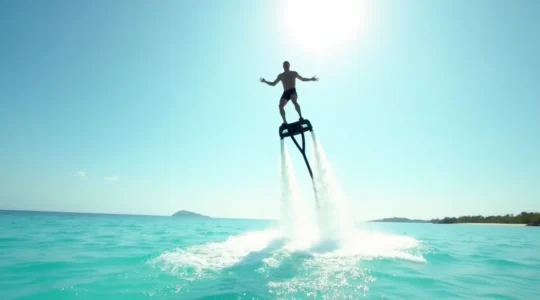
Does Standard Travel Insurance Cover Flyboarding Accidents?
Your adventure sports insurance is not a safety net; it is a rigid contract you are likely to breach, transferring all financial liability to you. Ignoring safety rules (weight, BMI, equipment) is considered contributory negligence, a contractual breach that automatically…
Lire la suite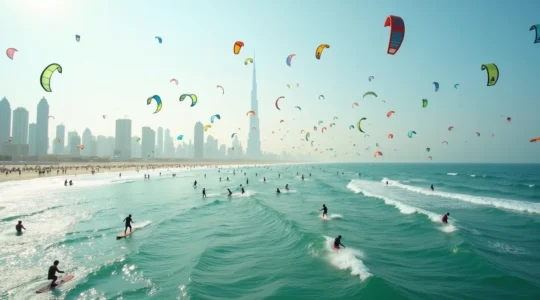
Why Kite Beach Is Dangerous for Beginners on Weekends?
In summary: Weekend crowds at Kite Beach create a high-risk environment due to unpredictable skill levels and limited space, making it unsuitable for novices. Understanding wind conditions, especially the powerful Shamal, is non-negotiable for safety; some conditions are a strict…
Lire la suite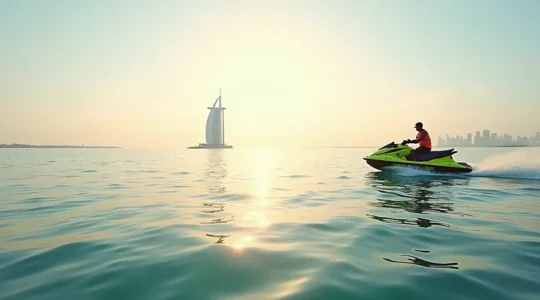
How to Avoid a $500 Fine When Jet Skiing Near the Burj Al Arab?
The advertised fine is merely the entry point; the true financial risk of mishandling a jet ski in Dubai’s jurisdictional waters involves thousands in liability from voided insurance and damage scams. Operating a jet ski is not a recreational activity…
Lire la suite
How to Conquer the ‘Leap of Faith’ Without Losing Your Swimwear?
In summary: Forget basic tips; preventing swimwear mishaps on extreme slides requires understanding physics like G-forces and hydrodynamic drag. Your choice of swimwear material is critical. Low-friction fabrics like polyester blends are your best defense against the slide. Properly secured…
Lire la suite
Why Sandboarding Is Exhausting: The Reality of Walking Back Up
The true physical challenge of sandboarding isn’t the exhilarating ride down; it’s the brutal high-intensity interval training (HIIT) session of the climb back up, a reality that demands specific physical preparation. The unstable surface of sand creates significant « energy leaks, »…
Lire la suite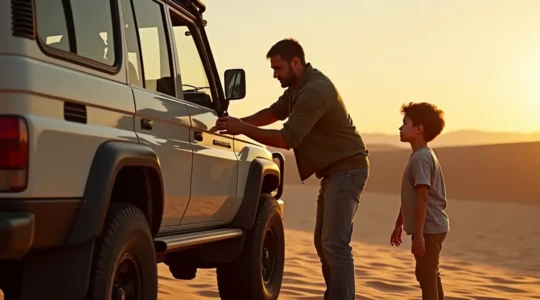
A Pediatric Safety View: Is Dune Bashing Safe for a Child Under 6?
Dune bashing is not just a ‘bumpy ride’ for a child under six; from a pediatric safety perspective, it’s a high-risk activity that exposes their underdeveloped spine to dangerous, uncontrolled whiplash-like forces. The primary danger is severe injury to the…
Lire la suite
Shared Bus vs Private Land Cruiser: Is the Saving Worth the Discomfort?
The price difference between a shared and private safari isn’t the real cost; the true price is paid in unpredictable delays, diluted experiences, and physical discomfort. Shared tours often include mandatory, time-wasting shopping stops and have longer, unpredictable return journeys….
Lire la suite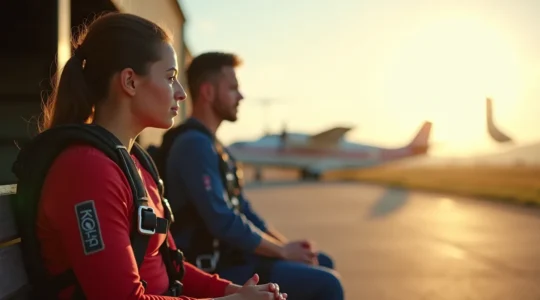
How to Master Pre-Jump Anxiety at the Skydive Dropzone?
The key to managing pre-jump terror is not to suppress fear, but to reframe it as manageable anticipation through practical mental and physical preparation. Anxiety stems from the unknown; arming yourself with knowledge about safety protocols and physical sensations acts…
Lire la suite
How to Identify a Truly Exclusive Desert Safari in Dubai for Under $500
True desert exclusivity isn’t about paying more; it’s about paying for the right things: conservation access, expert guides, and genuine camp intimacy. Vetting an operator’s trade license, insurance, and confirming 100% camp privacy are non-negotiable steps to avoid scams. The…
Lire la suite