Blog
The gleaming towers of modern desert metropolises tell only half the story. Beneath the contemporary facade lies a rich tapestry of maritime heritage, architectural ingenuity born from harsh climates, and social traditions that continue to shape daily life. Whether you’re planning a visit or considering an extended stay, understanding these multifaceted destinations requires looking beyond the postcard images to grasp the practical realities and cultural depth that define them.
This comprehensive resource brings together essential insights about navigating urban density, discovering authentic culinary experiences, appreciating historical legacies, and understanding the architectural principles that allowed civilizations to thrive in unforgiving environments. From the logistics of water transport to the etiquette surrounding photography, these interconnected themes form the foundation for meaningful engagement with cities where centuries-old pearling traditions meet cutting-edge urban development.
Navigating Urban Landscapes and Daily Logistics
Modern desert cities present unique challenges for residents and visitors alike, where extraordinary density coexists with sprawling development patterns. Understanding the rhythm of these spaces transforms frustration into confident exploration.
City Center Dynamics and Pedestrian Realities
Commercial districts in these destinations often prioritize vehicular access over pedestrian comfort, a legacy of rapid development during oil boom eras. Walking a single kilometer might require navigating disconnected sidewalks, pedestrian bridges with limited access points, and climate-controlled indoor passages through shopping complexes. The heat factor cannot be understated—outdoor walking during midday hours between May and September becomes genuinely hazardous rather than merely uncomfortable.
Successful navigation requires strategic thinking. Many experienced residents plan routes that maximize air-conditioned corridors, using metro stations and mall networks as climate-controlled highways between destinations. Pedestrian bridges serve as essential infrastructure, though their placement often reflects traffic flow priorities rather than intuitive pedestrian routes.
Traffic Patterns and Transportation Alternatives
Understanding traffic rhythms becomes essential for maintaining sanity and punctuality. Morning congestion typically peaks between 7:00-9:00 AM and evening rushes extend from 5:00-8:00 PM, with Thursday evenings (the beginning of the weekend in many Gulf nations) creating particularly challenging conditions.
Water transport offers an elegant alternative in coastal areas. Traditional abra boats and modern ferry systems provide practical transportation while delivering cultural experiences. These maritime routes echo historical patterns when communities relied entirely on sea connections, offering perspectives on urban development impossible to grasp from highways.
Culinary Landscapes: Authentic Experiences and Common Pitfalls
The dining scene in these cosmopolitan hubs reflects extraordinary diversity, yet navigating it successfully requires awareness of both hidden treasures and tourist-targeted traps.
Discovering Hidden Dining Gems
The most memorable meals rarely happen in mall food courts or hotel restaurants. Authentic experiences cluster in older neighborhoods where residential communities support local establishments. South Asian, Filipino, and Levantine cuisines dominate these areas, reflecting the demographic makeup of long-term residents.
Look for establishments where menu boards feature multiple languages, prices seem surprisingly reasonable, and the clientele consists primarily of families and workers rather than tourists. These indicators typically signal restaurants serving their actual communities rather than performing cultural authenticity for visitors.
Recognizing and Avoiding Dining Scams
Tourist-heavy areas harbor predictable traps. Common schemes include:
- Menu prices without clear currency indicators, allowing servers to claim charges are in dollars rather than local currency
- « Market price » seafood with no advance disclosure, resulting in shocking bills
- Mandatory service charges appearing alongside tipping prompts, creating double charges
- Complimentary-seeming appetizers that appear as line items on final bills
The simple practice of requesting itemized pricing before ordering and photographing posted menus provides protection against most schemes while signaling awareness that discourages manipulation.
Cultural Heritage and Maritime History
Before oil transformed desert coastlines into vertical cities, these regions thrived on pearling economies that structured entire societies and connected Gulf communities to global trade networks.
The Pearl Diving Legacy
For centuries, natural pearl harvesting represented the primary wealth source for coastal settlements. Divers would descend without breathing apparatus, using nose clips and weighted ropes, harvesting oysters from depths reaching 40 meters. The physical toll was extraordinary—experienced divers rarely lived past their forties, suffering from respiratory issues and joint deterioration.
Pearl valuation followed complex criteria examining luster, shape, size, and color. The most prized specimens, called « Dana » in local terminology, exhibited perfect spherical shape and deep luster. A single exceptional pearl could support a family for years, creating dramatic wealth disparities despite the shared hardship of maritime life.
Social Structures and Maritime Culture
Pearling expeditions operated under the Al-Ghaus system, creating rigid hierarchies aboard vessels. The captain (Nokhada) commanded, navigators (Muqaddam) directed routes, divers (Al-Ghaus) harvested, and pullers (Seib) managed ropes. Debt relationships often bound divers to merchants across generations, creating economic dependencies that persisted until oil revenues disrupted traditional systems.
Maritime songs (Al-Nahma) coordinated physical labor during rowing and hauling, their rhythms synchronizing collective effort. These musical traditions survive in modern tributes and cultural performances, offering auditory connections to pre-industrial rhythms of life.
Traditional Architecture and Climate-Responsive Design
Long before air conditioning, architectural ingenuity made desert living viable through principles that contemporary sustainable design increasingly revisits.
Core Principles of Desert Architecture
Traditional buildings employed multiple strategies to manage extreme heat. Thick walls constructed from coral stone and mud brick provided thermal mass, absorbing daytime heat and releasing it slowly during cooler nights. Compact footprints minimized surface area exposed to sun, while courtyard designs created shaded outdoor spaces and channeled whatever breezes existed.
Building orientation followed solar paths, positioning living spaces away from western exposure where afternoon sun creates the harshest conditions. Roof designs incorporated wind towers (Barjeel) that captured upper-level breezes and directed them downward into living spaces, creating natural ventilation without mechanical systems.
Privacy Design and Social Functions
The Majlis—a reception room for guests—exemplifies how architecture encoded social values. Positioned near entrances, it allowed hosts to receive visitors without compromising household privacy. Separate family quarters ensured domestic life remained shielded from public view, reflecting cultural emphasis on privacy and gender segregation.
Mashrabiya screens achieved multiple functions simultaneously: intricate wooden lattices provided shade, filtered dust, allowed air circulation, and enabled residents to observe street activity while remaining unseen. The geometry of these screens demonstrates sophisticated understanding of light angles and ventilation principles.
Contemporary Preservation Challenges
Maintaining traditional structures in rapidly developing urban contexts creates significant tensions. Original materials often require specialized maintenance knowledge that few contemporary workers possess. Economic pressures favor demolition and redevelopment over preservation, particularly in commercial areas where land values have increased exponentially.
Successful preservation typically requires adaptive reuse strategies, converting traditional homes into cultural centers, boutique hotels, or galleries that generate revenue justifying maintenance costs. This approach preserves physical structures while inevitably transforming their social functions.
Modern Living Realities and Practical Considerations
Contemporary life in these destinations involves navigating regulations, environmental factors, and lifestyle adaptations that may surprise newcomers.
Residential Nuances and Waterfront Living
Housing options divide sharply between waterfront developments and inland areas, with price differentials reflecting both amenities and microclimate advantages. Coastal locations benefit from maritime breezes that can reduce perceived temperatures by several degrees—a meaningful difference during summer months.
Waterfront districts often feature superior pedestrian infrastructure, marina access, and beach clubs that become essential social venues. However, proximity to entertainment zones creates noise considerations, particularly in developments near restaurants and nightlife clusters where sound carries across water.
Photography Regulations and Cultural Sensitivity
Photography restrictions extend beyond obvious security sites to include cultural considerations that catch many visitors unprepared. Photographing individuals without explicit permission, particularly women, violates social norms and potentially legal boundaries. Government buildings, military installations, and ports enforce strict prohibitions, with enforcement varying from warnings to equipment confiscation.
The safest approach involves photographing clearly public spaces and architectural features while avoiding identifiable individuals unless permission is secured. When in doubt, the gesture of raising a camera with a questioning expression typically elicits clear consent or refusal without language barriers.
Fitness Culture and Outdoor Lifestyle Adaptations
The climate creates distinct seasonal patterns for outdoor activities. Between November and March, parks, beaches, and outdoor fitness facilities thrive with activity as moderate temperatures make extended outdoor time pleasant. Summer months shift activity indoors or to early morning hours before 7:00 AM and late evening after sunset.
Waterfront promenades and beachfront areas accommodate year-round outdoor enthusiasts, where water proximity provides marginal temperature relief and psychological comfort. Many residents adopt split schedules, pursuing outdoor fitness during cooler months and shifting to climate-controlled gyms when heat becomes oppressive.
Understanding these destinations requires appreciating their complexities—how ancient pearling traditions inform contemporary cultural values, how architectural heritage offers lessons for sustainable design, and how urban navigation demands both practical strategies and cultural awareness. The contrast between historical depth and modern development creates unique environments where traditional Majlis hospitality coexists with cutting-edge infrastructure, and where knowing which pedestrian bridge provides metro access matters as much as understanding the social significance of Mashrabiya screens. These layered realities transform superficial tourism into meaningful engagement with places where desert, sea, and human ingenuity continue their ancient negotiation in contemporary forms.
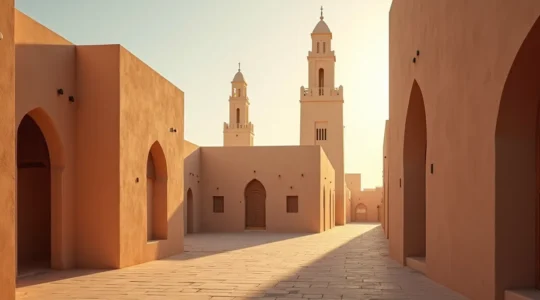
Why Old Houses in Dubai Stay Cool Without Air Conditioning?
The passive cooling of old Dubai houses is not a collection of quaint features but a systemic engineering marvel where materials, layout, and ventilation elements work in concert as a sophisticated passive cooling machine. Architectural elements like the barjeel (wind…
Lire la suite
Why Did Pearl Diving Cause Blindness and Deafness in Divers?
The romantic image of pearl diving masks a brutal medical reality: blindness and deafness were not accidents, but near-certain outcomes of the trade. Chronic barotrauma from repeated, rapid pressure changes systematically damaged the delicate structures of the divers’ eyes and…
Lire la suite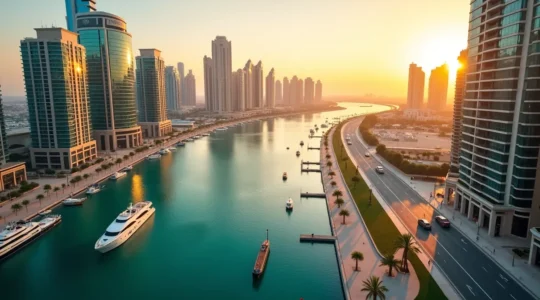
How to Choose a Dubai Marina Tower That Isn’t Plagued by Traffic Jams?
Contrary to popular belief, a traffic-free life in Dubai Marina is possible, but it has nothing to do with being close to Sheikh Zayed Road. Success lies in mastering the « last 500 meters »—the specific entry/exit points and internal loops around…
Lire la suite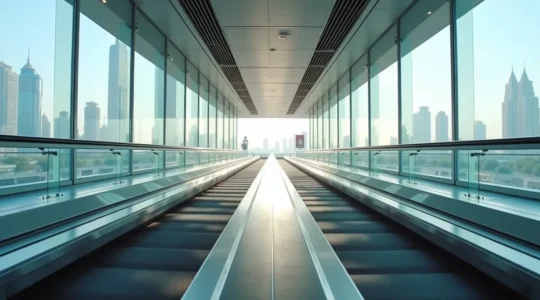
How to Walk From Metro to Dubai Mall Without Stepping Outside in Summer?
In summary: The 820-meter Dubai Mall Metro Link bridge provides a fully air-conditioned walk from the metro to the mall. This « pedestrian superhighway » is part of a larger climate-controlled network connecting other key downtown locations. Mastering this network is the…
Lire la suite