Destinations & Attractions
Dubai presents a unique paradox for travelers: a city where ultra-modern engineering marvels stand mere kilometers from wind-towered heritage quarters, where man-made beaches rival natural coastlines, and where luxury observation decks share the skyline with traditional spice souks. Understanding this diverse landscape is essential for anyone looking to experience the emirate beyond surface-level tourism.
The challenge isn’t finding things to see and do in Dubai—it’s making informed choices about where to invest your limited time and energy. Each attraction type serves different interests, operates under distinct practical considerations, and delivers vastly different experiences. From navigating fountain show timings and crowd patterns to understanding the authenticity spectrum of cultural sites, from maximizing beach access to respecting eco-tourism protocols, the decisions you make shape whether your visit feels genuinely enriching or merely transactional.
This overview connects the fundamental concepts behind Dubai’s major attraction categories, helping you understand not just what exists, but why certain experiences matter, how different sites relate to each other, and what practical factors influence your enjoyment at each location.
Understanding Dubai’s Attraction Ecosystem
Dubai’s destinations fall into distinct categories that rarely overlap in experience or visitor profile. Recognizing these divisions helps clarify your priorities before you arrive. The city’s attraction landscape operates on three primary axes: engineering spectacle versus cultural authenticity, curated experiences versus spontaneous exploration, and premium-priced exclusivity versus accessible public spaces.
Consider the fundamental difference between viewing a choreographed fountain display from a restaurant terrace versus wandering the labyrinthine alleys of the old quarter. The former delivers controlled, photogenic moments with predictable timing and clear price points. The latter demands navigation skills, cultural sensitivity, and tolerance for ambiguity—but often yields more memorable encounters. Neither approach is superior; they simply serve different travel philosophies.
Geography plays an equally critical role. Dubai’s linear coastal development means attractions cluster in distinct zones: the heritage concentration around Dubai Creek, the beach and marina corridor along Jumeirah, and the modern mega-attractions in Downtown and Business Bay. Understanding these spatial relationships prevents the exhausting mistake of crisscrossing the city multiple times daily. A visitor focused on modern architectural experiences might consolidate Downtown Dubai activities across two days, while someone prioritizing cultural immersion would anchor their schedule around the Creek district’s complementary sites.
Iconic Modern Engineering and Observation Experiences
Dubai’s contemporary attractions represent more than just height records and superlatives—they function as carefully engineered viewing platforms designed to reframe how visitors perceive urban space. The distinction between observation decks, observation wheels, and street-level vantage points matters significantly for both experience quality and budget allocation.
Vertical Viewing Platforms and Future Developments
The current tallest structure sets expectations for viewing deck experiences: climate-controlled environments, timed ticketing systems, mandatory security protocols, and premium pricing tiers based on height and sunset access. Future tower projects will likely intensify these patterns while introducing new variables—comparative height advantages diminish as competing structures rise, and early-phase pricing often inflates before settling into market equilibrium. Understanding this cycle helps determine whether visiting immediately upon opening or waiting for operational maturity better suits your priorities.
Horizontal Motion Experiences
Observation wheels offer fundamentally different dynamics than static decks. The gradual rotation creates constantly changing perspectives rather than fixed views, while cabin types (shared versus private) dramatically alter the social atmosphere. Motion sensitivity becomes a legitimate consideration—though modern wheels rotate slowly enough that most acrophobia sufferers report manageable anxiety levels compared to open-air viewing platforms. Sunset timing transforms from a brief window into an extended golden hour experience as the wheel completes multiple rotations.
Ground-Level Spectacles
Fountain displays demonstrate how free public attractions can rival paid experiences when viewed strategically. The key variables include viewing location (distance, elevation, dining versus standing), show frequency (which determines crowd accumulation patterns), and photographic angles. The choice between The Pointe and Dubai Mall vantage points, for instance, involves trade-offs between closer proximity versus better sightlines, restaurant reservation requirements versus public access, and parking logistics. Understanding these factors prevents the common disappointment of arriving at peak times to obstructed views.
Coastal and Waterfront Destination Dynamics
Dubai’s beaches exist on a spectrum from entirely artificial to natural coastline, with significant implications for water quality, marine life encounters, facilities infrastructure, and atmospheric character. The geography matters more than promotional materials typically acknowledge.
Man-made beaches engineered with imported sand and protective breakwaters offer predictable calm waters and extensive facility development—changing rooms, activity rental stations, dining clusters, and groomed walking promenades. These advantages come with trade-offs: reduced marine biodiversity, jellyfish seasonality influenced by artificial current patterns, and heavy weekend crowds drawn by convenience. Natural coast segments present inverse characteristics—less infrastructure but more authentic coastal ecology, fewer crowds but less accessibility for visitors with mobility limitations.
Maximizing beach experiences requires understanding logistical friction points. Changing facilities at popular beaches operate at capacity during peak hours, creating wait times that erode relaxation time. Activity rentals (kayaks, paddleboards, jet skis) follow demand-based pricing with better rates during weekday mornings. The nighttime atmosphere shifts dramatically as beach clubs activate, transforming quiet daytime stretches into vibrant social zones with corresponding noise levels and crowd density.
Construction impact represents an ongoing reality along Dubai’s developing coastline. New hotel projects, promenade extensions, and infrastructure upgrades frequently close beach segments or create visual and auditory disruption. Recent regulations around night swimming respond to safety incidents, with enforcement varying by beach zone. These practical considerations—often absent from official attraction descriptions—fundamentally shape whether a beach visit meets or disappoints expectations.
Cultural Heritage Sites and the Authenticity Spectrum
Dubai’s heritage attractions occupy contested ground between preservation, tourism economy, and rapid modernization. Understanding where specific sites fall on the authenticity spectrum—from meticulously preserved historical structures to well-executed reconstructions to outright tourist fabrications—shapes realistic expectations and informs how you allocate exploration time.
Navigating the Old Quarter and Traditional Architecture
The wind tower districts represent Dubai’s most architecturally significant historical legacy. These passive cooling systems demonstrate sophisticated pre-electrical climate engineering, and understanding their mechanics deepens appreciation for structures that tourists often photograph without comprehension. The old quarter rewards slow, observant walking rather than checklist-driven site hopping. Art gallery spaces now occupy restored courtyard houses, creating hybrid cultural experiences that blend contemporary regional art with traditional architectural context.
Timing considerations extend beyond simple crowd avoidance. Visiting during Ramadan, for instance, dramatically alters the rhythm and accessibility of heritage sites, with adjusted operating hours and different behavioral expectations. The courtyard dining experiences available in restored traditional buildings offer atmospheric meals but require understanding the premium pricing that heritage settings command.
Souk Experiences and Market Authenticity
Dubai’s souks range from genuinely functioning merchant quarters to semi-staged tourist markets. The Creek-side souks maintain operational authenticity—locals still purchase spices and textiles here—but tourism has influenced vendor behavior and pricing structures. Effective navigation requires understanding haggling etiquette (expected and ritualistic rather than adversarial), photography respect (asking permission before capturing vendor portraits), and quality assessment (particularly for spice freshness and textile craftsmanship).
The abra creek crossing functions as both practical transport and cultural experience, offering perspective on how heritage infrastructure continues serving everyday urban function. This dual nature—tourist attraction and actual commuter route—exemplifies the complexity of Dubai’s heritage sites, which rarely fit neatly into « authentic » or « fabricated » categories.
Natural Landscapes and Eco-Tourism Considerations
Dubai’s desert periphery supports fragile ecosystems that require careful management to balance tourism access with conservation priorities. Understanding the regulatory framework, seasonal patterns, and behavioral expectations separates responsible eco-tourism from superficial desert experiences.
Access restrictions in designated conservation areas exist for legitimate ecological reasons—protecting nesting sites, minimizing vehicle impact on dune systems, and managing human presence during sensitive periods. These aren’t bureaucratic obstacles but necessary protocols for sustainable wildlife habitats. Seasonal migration patterns determine what species you can realistically expect to encounter, with winter months offering peak biodiversity as migratory birds utilize the region.
Wildlife spotting requires patience and proper timing—dawn and dusk outings dramatically increase encounter probability compared to midday excursions when desert fauna retreats from heat. Photography rules in eco-tourism zones typically prohibit flash and restrict approach distances to prevent stress on habitats. These guidelines reflect research-based conservation practices rather than arbitrary limitations.
The accommodation spectrum ranges from basic camp setups to exclusive luxury desert resorts, with significant implications for both environmental impact and experience quality. High-end properties often incorporate superior conservation practices—waste management systems, solar power integration, ecologist-led programming—making them paradoxically more eco-friendly than budget alternatives despite higher per-person resource consumption. Understanding this complexity prevents simplistic assumptions about sustainable travel choices.
Strategic Planning for Meaningful Experiences
Effective destination selection in Dubai requires balancing multiple practical variables that guidebooks often treat superficially. Time management across attractions involves understanding not just official opening hours but optimal visiting windows—when light conditions favor photography, when crowds thin, when temperatures become tolerable for outdoor exploration.
Museum experiences illustrate these planning considerations well. Audio guide value varies significantly—some provide essential context that transforms static exhibits into coherent narratives, while others offer redundant information already presented in exhibit text. Child engagement capabilities differ dramatically between Dubai’s museums, from hands-on discovery zones to adult-oriented collections with minimal interactive elements. Ticket combination deals sometimes deliver genuine savings, but often bundle attractions with poor geographic proximity, creating logistical inefficiency that negates financial advantages.
Budget allocation requires understanding price-to-value ratios across attraction categories. Dining on a budget near major tourist sites demands research—waterfront promenades and mall dining districts include both premium restaurants and affordable food court options within meters of each other. Crowd avoidance strategies depend on recognizing weekly patterns (Friday-Saturday peaks versus weekday lulls) and daily rhythms (post-prayer timing, cruise ship discharge schedules, peak dining hours).
Parking and access challenges compound at major attractions during peak periods. Public transportation reaches many primary destinations efficiently, often providing faster, less stressful access than driving and navigating paid parking structures. Understanding these logistics before committing to specific attractions prevents the frustration of discovering access barriers after you’ve already invested travel time.
Dubai’s attractions reward informed decision-making over spontaneous wandering. The city’s diversity means virtually any interest area—architectural innovation, cultural heritage, natural ecosystems, beach recreation, culinary exploration—has compelling options. The key is understanding how practical factors like timing, pricing structures, access logistics, and authenticity levels shape which experiences deliver genuine value for your specific travel priorities. This foundation equips you to explore deeper into whichever attraction categories align with your interests, transforming a potentially overwhelming destination into a series of intentional, meaningful encounters.
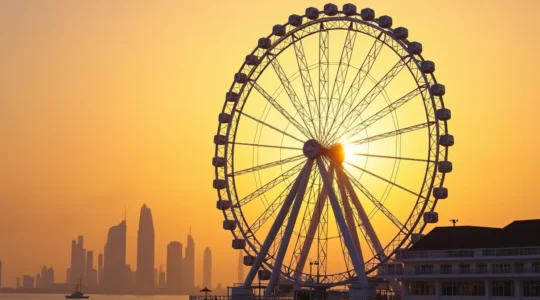
Why Ain Dubai Stops Moving: Is It a Breakdown or Boarding Protocol?
The sudden stop of the Ain Dubai is not a malfunction; it is a deliberate and controlled part of the wheel’s operational protocol. These planned pauses, or « dwell times, » are necessary for safe passenger boarding and maintaining the wheel’s precise…
Lire la suite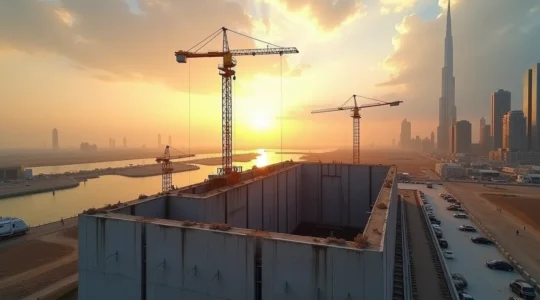
Will the Dubai Creek Tower Ever Be Finished or Is It On Hold?
Contrary to common concerns, the investment value of Dubai Creek Harbour no longer depends on the Creek Tower breaking world height records. The project’s recent redesign signals a strategic pivot from a monumental icon to a commercially viable district anchor….
Lire la suite
Etihad Museum or Dubai Museum: Which One Explains the Union Better?
The best choice between Etihad and Dubai Museum depends on the story you want to learn: the political event of the Union or the socio-economic context that made it possible. Etihad Museum offers a focused, state-driven narrative of the 1971…
Lire la suite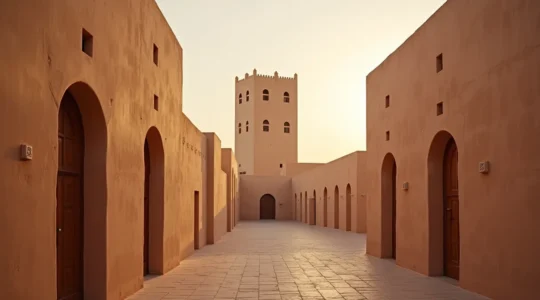
Reading the Walls: How to Navigate the Al Fahidi Maze Without Google Maps
The key to navigating Al Fahidi is not to wander aimlessly but to learn the language of its architecture. Ancient design features like wind towers and narrow alleys were not just decorative; they were functional systems for cooling and social…
Lire la suite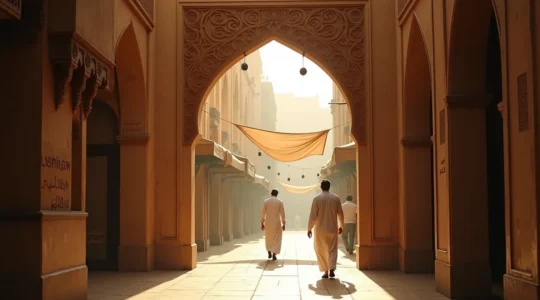
How to Visit the Gold Souk Without Being Hassled by Street Touts?
The secret to conquering the Gold Souk isn’t avoiding touts—it’s understanding the system they work in and using their own rules against them. Aggressive selling is driven by a commission-based system, not personal animosity. Your greatest defense is « psychological armor »:…
Lire la suite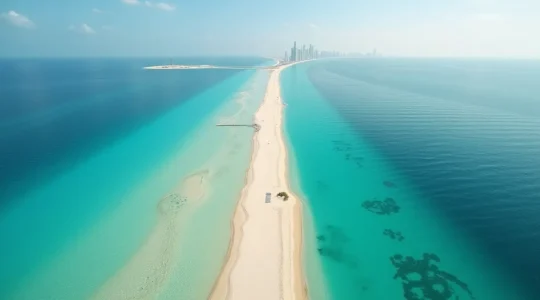
Jumeirah Open Beach vs. Black Palace Beach: A Marine Ecologist’s Guide to Water Quality
The visual cleanliness of a Dubai beach is not the best indicator of its water quality for swimming; the key factor is its position relative to man-made coastal structures. Beaches sheltered by artificial islands or breakwaters often experience reduced water…
Lire la suite
Why Can’t You Enter the Conservation Reserve with Your Own Car?
The restriction on private vehicles in the Dubai Desert Conservation Reserve is not an arbitrary rule designed to frustrate independent explorers. It is the fundamental mechanism that preserves the fragile desert ecosystem you come to witness. This controlled access is…
Lire la suite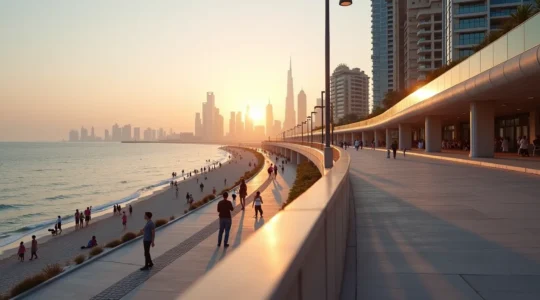
Beat the System: Your Guide to Free Parking at JBR on a Weekend
The frustrating hunt for ‘free’ JBR parking is a losing game; the real win is mastering the system to make your visit cost-neutral. Paid underground parking becomes free by strategically spending AED 100 at specific venues like supermarkets or the…
Lire la suite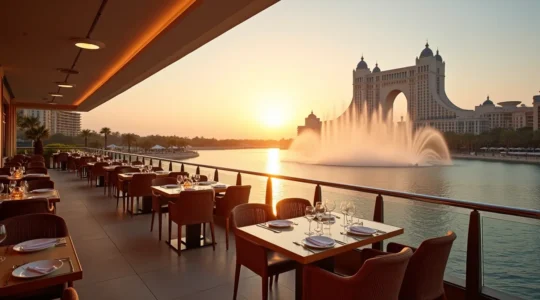
Why The Pointe Is the Secret to a Crowd-Free Fountain Dinner for Two
For couples seeking a romantic fountain dinner without the chaos, The Pointe is unequivocally the superior choice over the Dubai Fountain. The Pointe is designed for intimacy, with lower crowd density and a 1.5km promenade offering ample personal space. Logistics…
Lire la suite