Experiences & Activities
Travel has evolved far beyond simple sightseeing. Modern travelers increasingly seek immersive experiences that create lasting memories, challenge comfort zones, and offer authentic connections with destinations. Whether scaling the world’s tallest observation decks, navigating the logistics of massive waterparks, or evaluating the ethics of animal encounters, today’s activity landscape demands informed decision-making that balances excitement with practicality.
The activities you choose shape the entire character of your journey. A single day might involve morning desert immersion, afternoon thrill-seeking at a theme park, and evening relaxation at an exclusive beach club—each requiring distinct preparation strategies. This comprehensive exploration examines the critical categories of travel experiences, from logistical optimization to ethical considerations, equipping you with the knowledge to select, plan, and maximize activities that align with your values and expectations.
Planning Theme Park and Waterpark Visits
Large-scale aquatic and amusement venues represent significant investments of time and money, making strategic planning essential for maximizing enjoyment while minimizing frustration.
Ticket Strategy and Access Management
Not all admission options deliver equal value. Fast-track passes can reduce wait times from hours to minutes, but their cost-effectiveness depends entirely on crowd levels and your tolerance for queuing. Consider that standard tickets at major waterparks might cost $65-85, while VIP access adds $50-100 but saves 2-3 hours of standing—essentially valuing your time at $25-30 per hour saved.
Hotel guest packages sometimes include priority entry windows, allowing access 30-60 minutes before general admission. This brief window can mean experiencing 3-4 major attractions before crowds arrive, fundamentally changing your day’s trajectory.
Practical Logistics: Footwear, Storage, and Sustenance
The seemingly minor details often determine comfort levels. Waterpark surfaces alternate between scorching concrete and slippery tiles, making appropriate water shoes with grip non-negotiable for safety and comfort. Many visitors learn this lesson painfully after blistering their feet on 140°F walkways.
Locker decisions impact your entire day. Standard lockers ($15-20) accommodate bags and towels, while family-size options ($25-35) fit multiple backpacks and dry clothing for post-visit comfort. Position matters too—lockers near major attractions save countless walking trips but cost premium rates at some venues.
Food policies vary dramatically. Some parks prohibit outside food entirely, forcing reliance on $8 hot dogs and $5 sodas. Others permit sealed snacks and water bottles, potentially saving families $50-100 daily. Research this beforehand, as dehydration and hunger transform enjoyable days into endurance tests, particularly for children.
Age and Height Considerations
Height restrictions exist for valid safety reasons, but disappointing a child at the ride entrance creates avoidable heartbreak. Most major attractions post minimum heights (typically 42-48 inches for moderate rides, 52+ for extreme slides). Measure children accurately before arrival and review ride specifications online to set appropriate expectations.
Maximizing Iconic Observation Experiences
Observation decks atop supertall structures offer unique perspectives, but generic visits often miss opportunities for truly memorable experiences.
Timing and Natural Phenomena
The sunset window represents peak demand at observation decks worldwide. Arriving 45-60 minutes before sunset allows you to witness the city transition from daylight through golden hour to illuminated nightscape—three distinct experiences for one admission price. However, this timing also attracts maximum crowds.
Weather visibility factors determine whether you’ll see 30 miles or 30 feet. Coastal locations experience marine layer fog, desert cities face dust storms, and humidity creates haze that obscures distant landmarks. Check real-time visibility reports rather than basic weather forecasts. A clear sky doesn’t guarantee clear views if atmospheric conditions create haze at altitude.
Photography and Physical Comfort
Most observation decks feature floor-to-ceiling glass that creates reflection challenges for photographers. Wearing dark clothing reduces your reflection in the glass, and positioning your lens directly against the window (using a rubber lens hood) eliminates most glare. Alternatively, locate outdoor observation areas where available.
Vertigo affects approximately 20-30% of visitors at extreme heights. High-speed elevators ascending 100+ floors in under 60 seconds can trigger discomfort even in those without typical height fears. The ear pressure changes resemble airplane ascent. Swallowing, yawning, or chewing gum helps equalize pressure. If prone to motion sensitivity, consider less dramatic observation points at lower floors.
Authentic Desert and Cultural Immersions
Desert camp experiences promise cultural authenticity, but the reality exists on a spectrum from genuine Bedouin-style hospitality to theatrical tourist productions.
Evaluating Cultural Authenticity
Truly authentic desert camps involve smaller groups (under 20 people), traditional seating on floor cushions, and cultural activities that extend beyond 15-minute entertainment slots. Mass-market camps often accommodate 100+ guests simultaneously, featuring buffet lines, elevated seating, and entertainment that resembles variety shows more than cultural demonstration.
Neither approach is inherently superior—they serve different purposes. Authentic experiences suit those genuinely interested in cultural learning and willing to sacrifice some comfort. Larger operations provide predictable, sanitized experiences better suited for families or those prioritizing convenience over cultural depth.
Practical Comfort Factors
Desert temperatures swing dramatically. Daytime heat may reach 105-115°F, while post-sunset temperatures drop 30-40 degrees. This necessitates layered clothing: lightweight, breathable fabrics for afternoon arrival, with long sleeves and light jackets for evening portions.
Bathroom facilities reveal operational priorities. Traditional long-drop toilets or basic portable facilities suggest authentic rustic experiences, while modern air-conditioned facilities with running water indicate tourist-focused operations with higher hygiene standards but less authenticity.
Solo Traveler Considerations
Group-oriented activities can isolate solo travelers unless operators deliberately facilitate social interaction. Some camps assign seating to mix groups, while others allow natural clustering that can leave individuals isolated. Review recent solo traveler experiences in reviews, or directly inquire about group composition and seating arrangements.
Ethical Considerations in Animal-Based Activities
Animal encounters represent one of travel’s most contentious categories, requiring careful evaluation of welfare standards against experiential desires.
The Reality of Riding Experiences
Camel riding, elephant trekking, and similar activities involve living beings whose welfare often conflicts with tourism demands. Ethical concerns center on training methods (punishment-based versus reward-based), working hours, veterinary care access, and retirement provisions for aging animals.
Mounting and dismounting camels particularly raises welfare questions. The animals must lower themselves to ground level repeatedly throughout the day—a physically demanding action. Operations running continuous 30-minute rides with minimal rest periods between sessions prioritize throughput over animal welfare.
Observable Welfare Indicators
Visitors can assess conditions through observable factors:
- Body condition: Visible ribs or dull coats suggest inadequate nutrition
- Behavior: Excessive vocalizations, reluctance to move, or aggressive responses indicate stress
- Equipment: Worn, ill-fitting saddles cause pressure sores and discomfort
- Environment: Adequate shade, water access, and rest areas between shifts
- Group size: Handlers managing 6+ animals simultaneously cannot provide individual attention
Responsible operators limit daily working hours, provide veterinary documentation, and openly discuss animal sourcing and retirement programs. Evasive answers to welfare questions serve as red flags.
Alternative Interaction Models
Observation-based experiences and sanctuaries that prohibit riding offer animal interaction without exploitation concerns. These facilities focus on conservation education, rehabilitation, or retirement care for former working animals. While less « interactive » than rides, they provide guilt-free engagement and often more meaningful educational value.
Adventure Activities: From Air to Water
High-adrenaline experiences require understanding both logistical realities and safety considerations that marketing materials often minimize.
Hot Air Balloon Logistics
Aerial desert experiences depend entirely on weather conditions. Wind speeds above 8-10 mph typically ground flights, and operators cannot confirm until dawn assessment. This creates planning uncertainty—you might wake at 4:00 AM for pickup only to face cancellation.
Temperature layers prove essential. Pre-dawn desert temperatures may sit at 55-65°F, but basket positioning near the burner creates heat zones. Passengers directly beneath the flame source experience temperatures 15-20 degrees warmer than those on the basket perimeter.
Landing realities differ from marketing imagery. « Gentle touchdowns » occur perhaps 60% of the time; other landings involve bouncing, dragging, or tipping—all normal but startling for unprepared passengers. Operators should brief passengers on landing positions (knees bent, holding designated straps) beforehand.
Water-Based Activities and Requirements
Surfing simulators, marine animal encounters, and similar water activities impose specific requirements often unclear until booking:
- Age limits: Minimum ages (often 8-12 years) based on strength requirements, not just safety
- Wetsuit requirements: Sometimes mandatory (adding $15-25 rental fees), sometimes optional
- Photo packages: Expensive add-ons ($45-90) that become tempting in the moment
- Advanced booking necessity: Popular time slots fill days ahead, while walk-ups face limited availability
Changing room hygiene varies dramatically between facilities. Hotel-affiliated venues typically maintain higher standards than standalone operations, but exceptions exist in both directions. This seemingly minor factor significantly impacts post-activity comfort.
Premium Beach and Leisure Venues
Beach clubs, day pools, and similar venues operate on exclusivity models that create both appeal and potential frustration.
Understanding Cost Structures
Admission prices tell only part of the financial story. Many upscale venues impose minimum spend requirements of $75-200 per person, applicable toward food and beverages but representing mandatory spending beyond entry fees.
Sunbed allocation follows hierarchical systems: front-row beach access commands premium pricing ($150-400), mid-tier poolside positions cost moderately ($75-150), and back-area spots provide basic access ($40-75). The experience differential extends beyond view—service speed, towel quality, and privacy levels all correlate with tier.
Atmosphere and Access Policies
Music volume, crowd composition, and dress code enforcement create vastly different experiences between venues. Some beach clubs prioritize party atmospheres with DJ performances and 90+ decibel music levels, while others emphasize tranquil luxury with ambient soundscapes and quiet zone enforcement.
Family restrictions vary. Certain venues explicitly prohibit children, others welcome families but impose age-based admission surcharges, and some maintain family-friendly daytime atmospheres that transition to adult-only evening environments.
Dress code reality often differs from published policies. « Smart casual » might mean anything from pressed resort wear to designer beachwear depending on enforcement consistency and clientele expectations. Review recent visitor photos rather than relying solely on written policies.
Privacy and Service Considerations
Drone privacy concerns have emerged at open-air venues, particularly in regions with lax aviation regulations. Overhead photography from commercial and private drones creates privacy issues for sunbathers. Progressive venues post drone prohibition signage and employ security to address violations, while others ignore the issue entirely.
Service speed analysis reveals operational priorities. Wait times exceeding 15-20 minutes for drinks suggest understaffing or overcrowding—both indicators of declining experience quality. Temperature control in seating areas (misting systems, air circulation, shade coverage) separates premium operations from basic facilities charging premium prices.
Cultural and Entertainment Experiences
Performance venues, cultural centers, and architectural landmarks offer enrichment opportunities requiring different preparation than adventure activities.
Optimizing Attendance Logistics
Interval logistics at performances (opera, theater, concerts) impact enjoyment more than anticipated. Venues serving 2,000+ patrons create bottlenecks at bars and restrooms during 15-20 minute intermissions. Arriving early allows facility reconnaissance and pre-ordering interval drinks, avoiding queues that consume half the break time.
Late arrival policies range from flexible (ushers seat during appropriate breaks) to strict (no entry until interval, no refunds). Verify specific policies when booking, particularly for cultural venues where language barriers might complicate real-time problem-solving.
Practical Access Considerations
Parking strategies significantly impact pre- and post-event stress. Major venues often have dedicated parking ($15-30) that fills quickly, forcing overflow to distant lots requiring shuttle buses. Alternative approaches include:
- Arriving 60-90 minutes early to secure convenient parking and explore the venue
- Using ride-share services to avoid parking entirely (though surge pricing applies post-event)
- Researching nearby public parking facilities offering lower rates with short walks
Architecture tours of performance venues, when available, provide fascinating context about design choices, acoustics engineering, and historical significance. These 30-45 minute experiences transform venues from simple event locations into destinations themselves, often available during daytime hours when evening performances occur.
The breadth of modern travel experiences demands more than enthusiasm—it requires informed planning that considers logistics, ethics, timing, and personal values. Whether you prioritize cultural authenticity over comfort, animal welfare over novel experiences, or cost efficiency over convenience, understanding the realities behind each activity type allows you to curate journeys that genuinely reflect your priorities rather than defaulting to whatever appears most prominently in marketing materials.
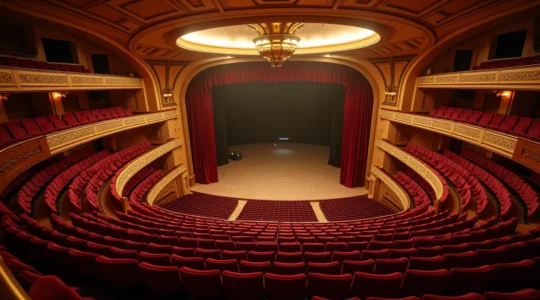
Grand Circle vs Stalls: Where Is the Best Acoustic Sweet Spot?
The best seat at the opera isn’t about the view; it’s a calculated acoustic decision based on sound wave physics. The central Grand Circle is the definitive acoustic sweet spot for blended concert sound and symphonic richness. Strategic parking at…
Lire la suite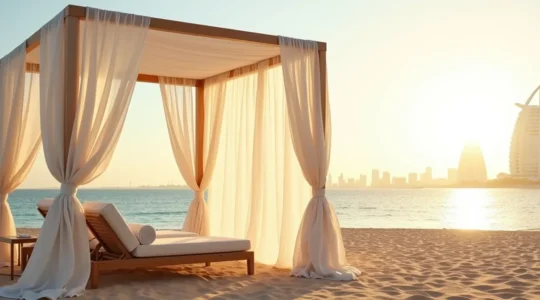
Surviving UV Index 11: A Dermatologist’s Guide to Sun Safety in Dubai’s Luxury Clubs
Contrary to what travel brochures suggest, a ‘safe tan’ in Dubai is a medical impossibility for pale skin; the only rational goal is clinical sun damage mitigation. Under a UV Index of 11, unprotected pale skin can suffer significant cellular…
Lire la suite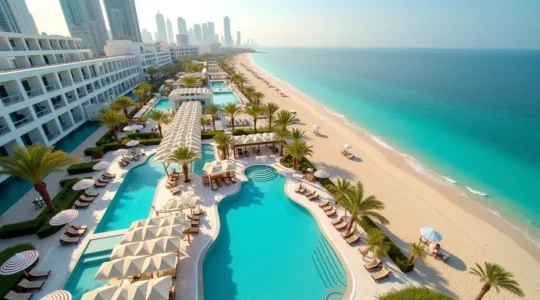
Nikki Beach or DRIFT: Which Dubai Club Justifies a $100+ Day?
The choice between Nikki Beach and DRIFT isn’t about the entry price; it’s about the social ROI you’re targeting for your day. Nikki Beach offers a high-energy, vibrant party scene perfect for networking and being seen. DRIFT provides an understated,…
Lire la suite
Deep Water vs Shallow Water Interaction: Which Is Better for Non-Swimmers?
The safest and most rewarding dolphin encounter for a non-swimmer isn’t determined by water depth, but by understanding the operational systems that protect both you and the animals. Strict rules, like age limits or camera bans, are primarily for animal…
Lire la suite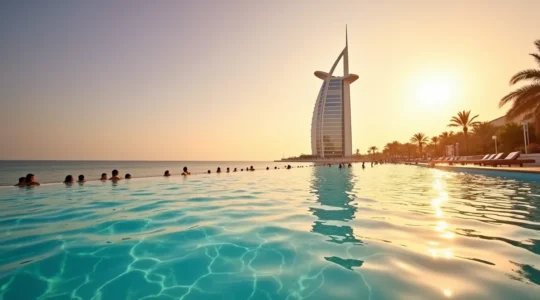
Why Wild Wadi’s View of Burj Al Arab Justifies the Ticket Price?
The Wild Wadi ticket isn’t for the slides; it’s for the best, most dynamic viewing platform of the Burj Al Arab in all of Dubai. The park provides constantly changing perspectives—from ground level to 33 meters high—that a static beach…
Lire la suite
Dubai’s 4 AM Balloon Ride: A Brutally Honest Review for Non-Morning People
For non-morning people, the Dubai hot air balloon experience is only worth the brutal 4 AM wakeup call if you understand and accept the operational trade-offs involved. Weather is a major factor; fog can cause delays, but premium operators turn…
Lire la suite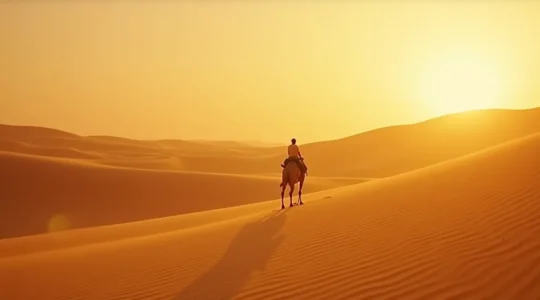
Is a 10-Minute Camel Ride Worth the Discomfort for Your Thighs?
The infamous thigh chafing from a camel ride isn’t inevitable; it’s a solvable ergonomic problem where your physical comfort is directly tied to the animal’s welfare. Rider discomfort often stems from overworked animals, poorly maintained equipment, and a lack of…
Lire la suite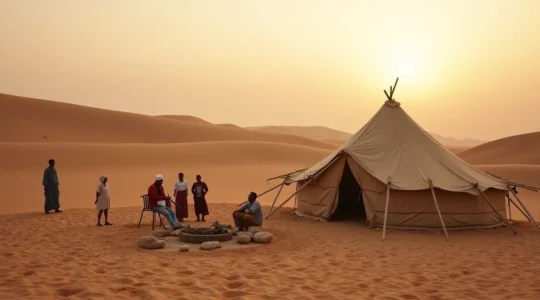
How to Distinguish a Tourist Trap Camp from an Authentic Heritage Experience?
Contrary to popular belief, the authenticity of a desert camp isn’t defined by having belly dancers and a camel ride; it’s revealed in the operational details that most tourists overlook. Genuine heritage is evident in the provenance of its entertainment…
Lire la suite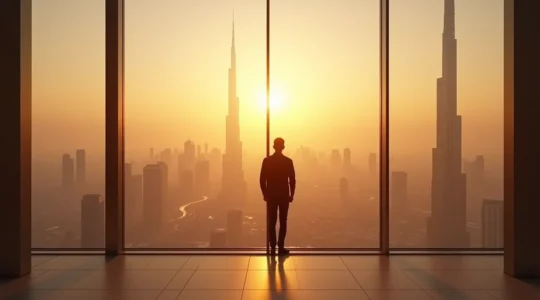
Burj Khalifa: At The Top SKY vs. Level 124 — An Auditor’s Verdict on the $100 Upgrade
The $100 upgrade to Burj Khalifa’s SKY experience is less about the view and more about buying immunity from the three biggest « experience killers »: queues, crowds, and poor photo conditions. The primary value is in « queue-arbitrage, » saving up to two…
Lire la suite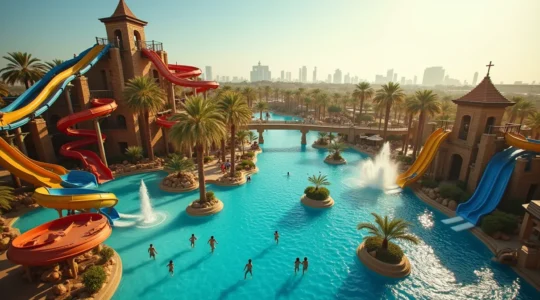
How to Minimize Queue Times at Aquaventure by 2 Hours During School Holidays?
The key to a stress-free Aquaventure day isn’t just arriving early; it’s executing a specific counter-flow strategy in the first 60 minutes. Prioritize a clockwise route upon entry to hit the Neptune and Poseidon towers before peak crowds arrive. Invest…
Lire la suite