Shopping & Luxury
The intersection of luxury travel and high-end shopping has evolved far beyond simply purchasing designer goods or booking five-star accommodations. Today’s discerning travelers seek meaningful exclusivity—access to experiences that transcend standard tourism, personalized services that anticipate needs before they’re voiced, and environments where quality, authenticity, and discretion are paramount. Whether you’re planning your first premium journey or refining your approach to upscale destinations, understanding the mechanics behind luxury travel and shopping empowers you to make informed decisions that align with your expectations.
This comprehensive resource demystifies the essential components of luxury travel experiences, from navigating yacht rentals and securing private access to optimizing tax benefits while shopping and understanding the cultural nuances of high-end settings. By exploring these interconnected elements, you’ll gain the confidence to move beyond surface-level luxury and access the experiences that truly define premium travel.
What Defines Modern Luxury Travel and Shopping?
Modern luxury has shifted from conspicuous consumption to curated experiences and privileged access. Rather than simply buying expensive items or staying at well-known hotels, today’s sophisticated travelers prioritize exclusivity, personalization, and insider knowledge that money alone cannot guarantee.
This paradigm includes several key dimensions. First, there’s the quality of access—whether you’re experiencing a destination through private viewings, after-hours access, or connections that bypass standard tourist channels. Second, there’s the authenticity guarantee, particularly crucial when purchasing high-value items in unfamiliar markets where counterfeits proliferate. Third, there’s the service ecosystem surrounding luxury experiences, from personal shoppers who understand your aesthetic to yacht crews trained in five-star hospitality standards.
Understanding these foundations helps you distinguish between merely expensive experiences and genuinely exclusive ones. A well-planned luxury itinerary balances aspiration with practicality, ensuring that logistical details—from pedestrian connectivity between premium venues to parking accessibility at high-end malls—never compromise the experience. The goal is seamless enjoyment where each element has been thoughtfully considered.
Securing Exclusive Access and Experiences
One of the most significant challenges facing luxury travelers is the exclusivity problem—how to access genuinely private experiences in increasingly crowded destinations. The solution lies in understanding the mechanisms that separate private from public access and leveraging them strategically.
Private Access vs Public Access: Understanding the Distinction
Private access doesn’t always mean complete isolation; rather, it refers to curated environments where capacity is controlled and the experience is tailored. This might include private gallery viewings before public opening hours, reserved sections at popular attractions, or membership-based venues that maintain standards through selective admission.
When evaluating opportunities, consider these factors:
- Advance reservation requirements and cancellation policies that reflect genuine scarcity
- Capacity limits that ensure quality (a « private » tour with 30 participants isn’t truly exclusive)
- Personalization options that demonstrate attention to individual preferences
- Access to spaces or collections not available to general admission visitors
Avoiding Tourist Congestion While Maintaining Authenticity
Bypassing crowds shouldn’t mean missing authentic cultural touchpoints. The most successful approach combines strategic timing with insider knowledge. Time of day selection significantly impacts your experience—many premium venues offer their best atmosphere during off-peak hours when staff can provide more attentive service.
Consider visiting renowned shopping districts during weekday mornings rather than weekend afternoons. Similarly, popular photography spots at luxury resorts or destinations often reveal their true character during golden hour when day-trippers have departed. This approach requires flexibility in your itinerary but delivers exponentially better experiences than adhering to conventional tourist schedules.
Navigating Yacht Rentals and Private Maritime Events
For many luxury travelers, a yacht experience represents the pinnacle of exclusive travel. However, the yacht rental market can be opaque, with significant variations in quality, service standards, and value. Understanding the key decision points ensures your maritime experience meets expectations.
Selecting the Right Vessel and Timing
The yacht rental market offers vessels ranging from day cruisers to superyachts with full crews. Your selection should align with your specific event requirements, considering both capacity and rules that govern different vessel classes. A yacht perfect for an intimate sunset cruise may be inadequate for a larger corporate event, while a vessel designed for extended voyages might be overkill for a simple afternoon excursion.
Critical considerations include:
- Guest capacity limits (both regulatory maximums and comfortable occupancy)
- Crew-to-guest ratios that determine service quality
- Amenities that match your event type (dining facilities, entertainment systems, water sports equipment)
- Weather patterns and seasonal considerations that affect comfort and safety
Time of day selection dramatically influences the atmosphere. Morning charters often provide calmer waters and better conditions for water activities, while sunset cruises offer spectacular ambiance for social events. Discuss these preferences with your charter company to align vessel selection with your timing priorities.
Onboard Experience and Safety Considerations
Catering on board requires careful planning, as galley facilities vary significantly between vessels. Some yachts accommodate full multi-course meals prepared onsite, while others are better suited to pre-prepared catering or simple refreshments. Communicate dietary requirements and preferences well in advance, as sourcing specialty ingredients in some ports can be challenging.
Safety considerations extend beyond standard maritime regulations. Seasickness prevention should be addressed proactively, particularly for guests unfamiliar with time on water. Choosing larger, stabilized vessels reduces motion, while itineraries that stay closer to shore in protected waters minimize exposure to rough conditions. Swimming safety protocols must be established before departure, including designated swim areas, ladder access points, and supervision procedures, especially when children are aboard.
Optimizing Your High-End Shopping Experience
Luxury shopping while traveling presents unique opportunities—from tax advantages unavailable at home to access to exclusive collections and limited editions. However, maximizing these benefits requires understanding both the practical logistics and the potential pitfalls.
Tax Benefits and Personal Shopping Services
Many destinations offer tax refund schemes for international visitors, potentially saving 10-20% on luxury purchases. However, claiming these benefits involves specific procedures: retaining receipts, completing customs documentation, and sometimes presenting items for verification before departure. The threshold amounts, eligible categories, and claim processes vary significantly by destination, so research requirements before making significant purchases.
Personal shopper benefits extend beyond simple convenience. Experienced personal shoppers provide access to inventory not displayed on sales floors, early notification of incoming collections, and relationships with brand representatives that can facilitate customizations or special orders. In major luxury destinations, these services are often complimentary for purchases above certain thresholds, making them accessible to serious shoppers without additional cost.
The value proposition includes time efficiency (pre-selection based on your preferences), access (reserved viewing rooms, priority during sale seasons), and expertise (authentication knowledge, understanding of brand histories and design philosophies). For travelers with limited time, a skilled personal shopper can accomplish in hours what might otherwise require days of browsing.
Authenticity Verification and Logistics
The prevalence of sophisticated counterfeits makes authenticity guarantees essential when purchasing luxury goods. Purchase only from authorized retailers or directly from brand boutiques. Request documentation including authenticity certificates, serial number registration, and official receipts that include full item descriptions. These documents are crucial for insurance, resale, and potential warranty claims.
For significant purchases, consider using delivery services rather than traveling with valuable items. Many luxury retailers partner with specialized logistics companies that handle international shipping, customs clearance, and insurance. This approach eliminates concerns about airline baggage limits, potential theft or damage during travel, and import declaration requirements. The cost, typically a small percentage of item value, often proves worthwhile for the peace of mind it provides.
Understanding Luxury Retail Environments
Premium shopping venues are carefully designed ecosystems where every element—from architectural aesthetics to pedestrian flow—has been strategically planned. Understanding these environments helps you navigate them efficiently while enjoying the experience fully.
Venue Layout and Accessibility
Mall logistics in luxury environments differ substantially from conventional shopping centers. High-end venues typically feature lower tenant density, creating spacious corridors and less crowded environments. However, this design means greater distances between stores. Familiarize yourself with venue layouts before visiting, identifying priority retailers and planning an efficient route that minimizes backtracking.
Pedestrian connectivity and retail mix analysis reveals how venues are designed to encourage browsing. Premium malls cluster complementary brands—haute couture near fine jewelry, for instance—while positioning restaurants and lounges as destinations that encourage extended visits. Understanding this retail mix helps you anticipate what you’ll find and recognize when you’re approaching zones that match your interests.
Practical considerations matter too. Parking costs at luxury venues can be substantial, though many offer validation programs for shoppers meeting minimum purchase thresholds. Valet services, while more expensive, save time and eliminate the stress of navigating large parking structures. Some destinations, like certain Las Vegas properties, maintain distinct identities—the Caesars Palace distinction, for example, combines shopping with entertainment and dining in a resort context—that influence how you should plan your visit.
Timing Your Visit Strategically
Understanding whether you’re in a residential vs tourist area fundamentally affects timing strategy. Residential luxury districts often see lighter traffic mid-week when local shoppers are working, while tourist-focused venues may be perpetually busy. Similarly, sale seasons create dramatic shifts in both inventory and crowd levels. End-of-season sales offer substantial discounts on current collections, but popular sizes and styles sell quickly, making early access valuable.
Many luxury retailers offer private sale previews to established clients or those working with personal shoppers. These events provide first access to discounted inventory in a more relaxed environment. Building relationships with brand representatives during regular visits can lead to invitations for these exclusive opportunities.
Cultural Etiquette in Premium Settings
Cultural etiquette in high-end settings varies significantly across destinations, but certain universal principles apply. Dress codes, while increasingly relaxed in some venues, remain important in traditional luxury environments. When uncertain, err toward formality—business casual at minimum for high-end shopping districts, more formal attire for evening events or exclusive dining.
Communication styles in luxury service environments often emphasize discretion and understatement. Express preferences clearly but respectfully, understanding that experienced staff are trained to anticipate needs rather than wait for explicit requests. Tipping practices vary by destination and service type; research local norms to avoid under-tipping (which may offend) or over-tipping (which can seem ostentatious).
Photography deserves special attention. While iconic photography spots at luxury venues are designed to be shared on social media, photography inside boutiques or during private events may be restricted. Always ask permission before photographing in retail environments, and be mindful that other guests may prefer not to appear in your images. Respecting these boundaries demonstrates the cultural awareness that defines truly sophisticated travelers.
Mastering these elements—from yacht selection to shopping logistics to cultural sensitivity—transforms luxury travel from a series of transactions into coherent, memorable experiences. As you plan your next premium journey, consider which aspects matter most to your personal definition of luxury, then build your itinerary around those priorities. The most successful luxury travelers don’t simply spend more; they invest in experiences that align with their values, delivered in ways that respect their time and preferences.
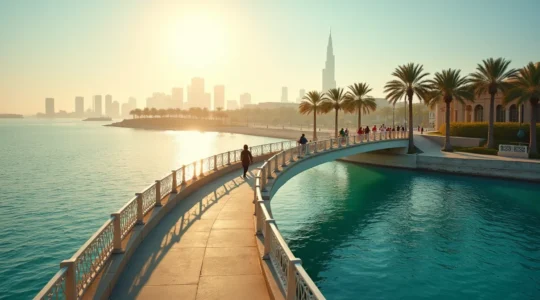
Walking from JBR to Bluewaters: Is the Bridge Walk Doable in Summer?
The walk from JBR to Bluewaters in summer is less about endurance and more about a smart strategy of ‘destination pacing’. The key is leveraging ‘thermal refuges’ like air-conditioned outlets and understanding that Bluewaters’ retail landscape is curated, not empty….
Lire la suite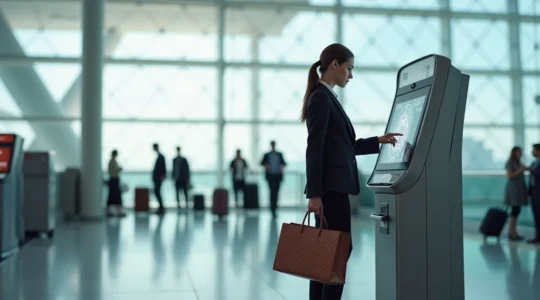
How to Process Your VAT Refund at DXB Airport in Under 10 Minutes
The secret to a sub-10-minute VAT refund process for your Dubai shopping isn’t at the airport. It’s a strategic, pre-airport workflow. By using the Planet Tax Free validation kiosks located inside the major malls *before* your departure day, you bypass…
Lire la suite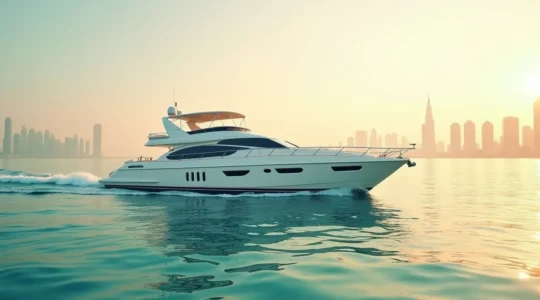
How to Rent a Luxury Yacht in Dubai Without Hidden Cleaning Fees?
Securing a luxury yacht charter in Dubai without surprise fees requires a shift from a consumer mindset to a project manager’s focus on contractual clarity. ‘Max Capacity’ is a legal metric, not a comfort one; always derate by 25-50% for…
Lire la suite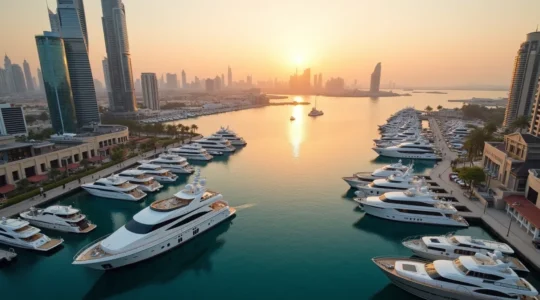
How to Navigate Dubai’s Ultra-Luxury Scene Without a Concierge Service?
Contrary to popular belief, authentic luxury in Dubai isn’t bought, it’s navigated through insider knowledge of the city’s unwritten rules. True access comes from understanding social nuance, strategic timing, and direct relationship-building, not just relying on a third party. Avoiding…
Lire la suite